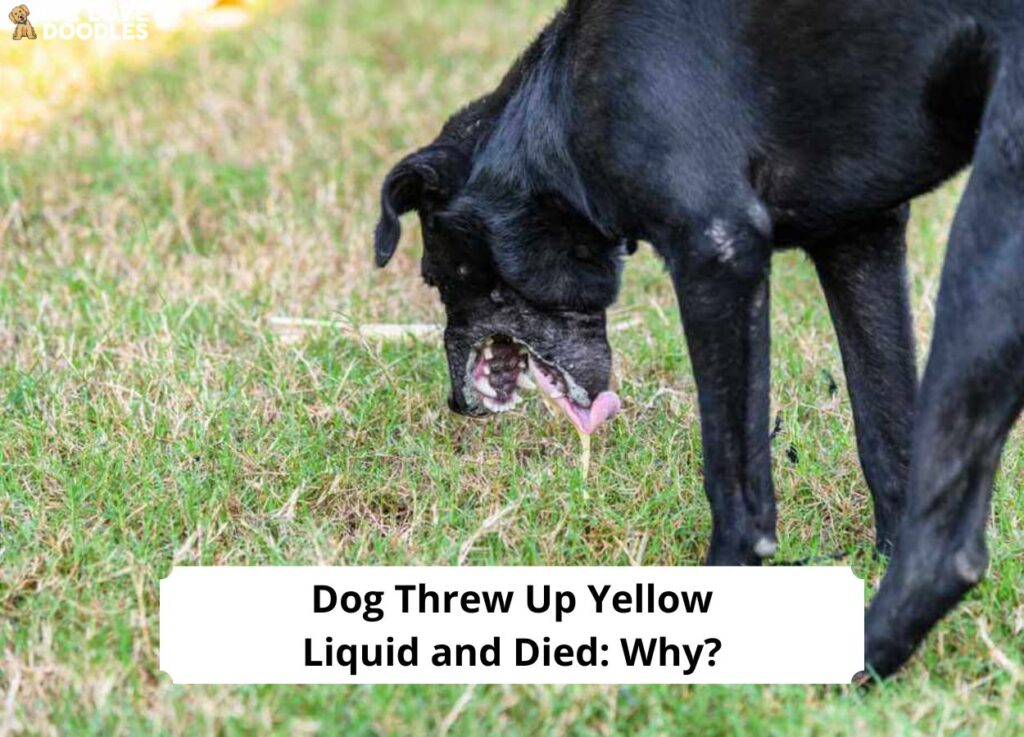
Your furry friend is part of your family. Any unexpected loss is never easy, and it often drives people to find answers. If your dog threw up yellow liquid and died, there could be a few explanations, but the liquid is likely bile from their digestive system.
Sometimes it’s easy to narrow down the causes of yellow vomit, but not always. Understanding the potential reasons and symptoms can help you in the future if you have another dog.
Before you read a more in-depth answer, check out: Why Do Dogs Walk in Circles Before They Die? (And What Does It Mean?) (2023) and Why Is My Puppy Dry Heaving? (2023).
Possible Causes Dog Threw Up Yellow Liquid and Died

When a dog vomits yellow liquid and dies, it can be highly distressing for pet owners. Unfortunately, there are many potential causes.
Digestive Issues

Digestive issues are among the most common causes of vomiting in dogs. Gastrointestinal inflammation or infection can lead to vomiting yellow fluid that may have a sour smell. Dogs may also suffer from gastroenteritis due to diet changes or eating something they shouldn’t have eaten.
Dogs may also vomit yellow bile when their stomachs are empty for too long as the digestive juices become concentrated. In such cases, vomiting should stop once you give food to the dog.
However, additional medical attention is needed if the vomiting doesn’t stop after eating normally.
Kidney and Liver Diseases
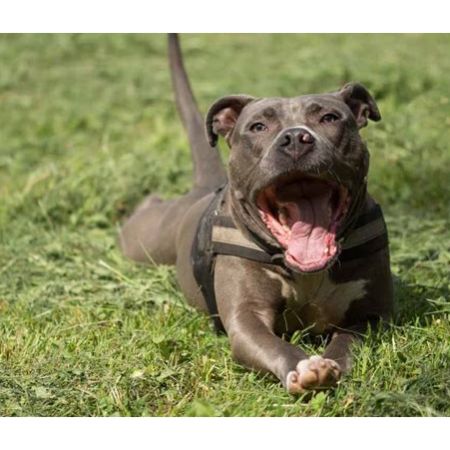
Kidney or liver diseases can cause the dog to produce a yellow liquid or bile.
In a healthy dog, hemoglobin breaks down and the oxygen-carrying pigment in red blood cells produces a yellowish liquid, called bile. This fluid then filters through the kidneys and sits in the gallbladder until it flows into the small intestine.
When the dog is ill, bile and other toxins build up, trigger nausea, and ultimately vomiting the yellow fluid. As the illness progresses, it stresses the organs, causing them to fail, and ultimately results in the dog’s death.
Treatment typically involves medications to reduce toxicity levels and other supportive care measures such as dietary modifications and intravenous fluids. Take your dog to a veterinarian immediately if you suspect kidney or liver disease, as early diagnosis and treatment can be crucial to saving their life.
Internal Bleeding

Internal bleeding, or hemorrhaging, is a severe and life-threatening condition that occurs when dogs damage an internal organ or blood vessel. It can cause vomiting of yellow liquid and other symptoms. There may also be leaking blood into the organs or tissues of the body.
If left untreated, the dog can develop anemia which deprives them of oxygen and can trigger shock, resulting in death. See veterinary care as soon as possible if your dog shows any internal bleeding. Prompt treatment may be able to save your pet’s life.
Poisoning
Poison is another life-threatening situation that can cause dogs to vomit yellow liquid. The vomit signals their distress and indicates that their body is trying to rid itself of the poison. In cases of severe poisoning, your dog’s body may not be able to purge enough to protect itself, which will result in death.
Time is of the essence in many poisoning cases because the veterinarian may be able to counteract the effects of some poisons and save the dog, but it depends on the trigger and how fast you respond. It’s best if you find the source of poisoning, but your veterinarian may be able to tell or run tests to find the answer and treat it accordingly.
Gastric Dilation and Volvulus

Gastric dilation and volvulus (GDV) is a severe condition in which the stomach becomes dilated with gas or fluid and then twists.
As the stomach twists, the gas becomes trapped, causing pressure to build in the abdomen and preventing blood flow to the heart and stomach lining. The stomach wall ultimately ruptures and presses the diaphragm, restricting breathing and triggering a range of side effects.
Aside from vomiting yellow fluid, your dog may experience diarrhea, abdominal pain, restlessness, an inability to move or stand, a rapid heart rate, and shock. If not treated quickly enough, GDV can result in death.
Surgery is typically required to untwist the stomach and prevent further damage. Even in the best-case scenarios, dogs require antibiotics, pain medication, and close monitoring to recover fully.
Symptoms to Watch

Though each cause can have slightly different symptoms at various points, there are common signs associated with vomiting yellow liquid prior to death:
- Increased drinking and urinating
- Lethargy
- Weight loss or gain
- Loss of appetite
- Restlessness
You must take your dog to a veterinarian if it shows these symptoms. Increased drinking and urination can signify diabetes or kidney disease, while lethargy could indicate anemia or a thyroid condition.
Weight loss or gain could point to an underlying metabolic issue such as hypothyroidism. Loss of appetite can also indicate a more significant problem, such as inflammation in the digestive system or organ failure.
Owners need to be vigilant when monitoring their dog’s health and seek medical attention as needed. Ignoring potential issues can lead to severe conditions requiring long-term treatment or surgery.
Symptoms can worsen over time if left unchecked, so taking your dog to a vet sooner than later is highly advised. Furthermore, if you address these issues immediately, the better chance you have of treating the underlying cause before it becomes too severe.
Prevention Tips

While you can’t avoid every accident as a dog owner, following a few crucial steps can help prevent health issues from occurring in the first place.
Proper nutrition and exercise are essential for any dog’s well-being, not just keeping them physically fit, but also caring for their bodies. Feeding a balanced diet and providing plenty of opportunities for physical activity supports healthy organs and prevents dogs from seeking out foods they shouldn’t eat.
Select high-quality food and treats for your dog to ensure it gets the necessary nutrients to stay healthy. If you have questions about what brands and ingredients to consider, it’s best to ask your vet for advice.
Speaking of your vet, make sure you keep up with those regular checkups to identify any potential health issues as early as possible. During these appointments, your vet will likely check their weight, look for signs of parasites or infection, and assess if there is any underlying pain or discomfort.
Prevention is always better than a cure, meaning those vaccinations are extremely important. Keep your pup up to date with all vaccines to avoid some nasty surprises.
It is important to remember that some treats can be harmful to pets. Keep an eye out for any ingredients that may not agree with them, such as chocolate, raisins, garlic, or anything else that could harm them.
Frequently Asked Questions

Do you still have some questions and concerns? These frequently asked questions might clarify some things.
Several different things can cause yellow liquid puke in dogs. If the yellow liquid is thick and pasty, it could signify gallbladder disease or liver dysfunction. It might indicate that your dog has an upset stomach due to eating something it shouldn’t have or drinking too much water.
Additionally, if the puke is yellow and foamy, it could mean your dog has food allergies or sensitivities. It’s possible to prevent many illnesses with timely diagnosis and treatment.
Pay close attention to your dog’s behavior, eating habits, and eliminations, including vomit. Contact your veterinarian immediately if you notice anything out of the ordinary or concerning.
Yellow dog vomit can be serious depending on the underlying cause. Some cases may be as simple as an upset stomach and ultimately clear up on their own. More cases that don’t resolve likely indicate something more complex, like pancreatitis, liver disease, or an intestinal blockage.
See a veterinarian immediately if your dog’s vomiting persists for more than 24 hours despite your care, or if they develop new symptoms, like lethargy, lack of appetite, or abdominal pain. Early diagnosis and treatment are essential to preventing complications and save your dog’s life.
If your dog is vomiting frequently, refusing to eat, lethargic, and experiencing diarrhea, take them to the vet immediately. Persistent gastrointestinal issues that don’t improve could suggest something more severe, like pancreatitis or cancer.
More severe conditions can only be confirmed and adequately treated by a vet.
Dogs with pancreatitis typically vomit yellow or greenish fluid, and it may have a strong odor in more severe cases. It’s common to notice signs of undigested food particles, bile, and other stomach contents in the mix. You might also notice a hunched back or distended abdomen and the dogs typically run a fever.
If you notice these symptoms associated with your dog’s vomit, get them to a vet as soon as possible for testing. The typical treatment for pancreatitis involves dietary changes and antibiotics.
Your vet may also recommend other treatments, depending on the underlying cause of pancreatitis. For example, if they discover your dog has diabetes, they need to treat it to prevent further issues.
It depends on the underlying cause. If you know what led to the yellow vomit, like not eating enough, you should present food.
However, if you’re unsure or suspect a toxin or irritant, they are trying to purge it and food would be worse. If your dog vomits yellow bile, then it is likely that they are dealing with an empty stomach upset. It’s best to withhold food for 12 to 24 hours and offer only small amounts of water at a time to prevent dehydration.
After that period has passed, begin introducing small amounts of bland, low-fat foods such as boiled chicken or white rice. Make sure to feed your dog several times a day in smaller portions, and if they vomit again, you should consult your veterinarian for further advice.
Conclusion for “Dog Threw Up Yellow Liquid and Died”

Though it may be traumatic to find your dog threw up yellow liquid and died, several possible causes range from simple digestive issues to severe diseases. Knowing the symptoms to watch for and being proactive with regular vet checkups and preventive care can help ensure your fur baby lives a long life.
If you find this guide, “Dog Threw Up Yellow Liquid and Died,” helpful, check out:
- My Dog Keeps Swallowing: What Does This Mean? (2023)
- Why Is My Dog Eating Grass Frantically? (2023)
- What if My Dog Swallowed a Plastic Bottle Cap? (2023)
Learn more by watching “🐶😮YELLOW VOMIT in DOGS (TYPES Causes and Treatment)” down below:

Garrett loves animals and is a huge advocate for all Doodle dog breeds. He owns his own Goldendoodle named Kona. In addition, he volunteers at the Humane Society of Silicon Valley, where he fosters dogs and helps animals. Garrett enjoys writing about Doodles and believes that dogs can teach humans more about how to live than humans can teach a dog.
Why Trust We Love Doodles?
At We Love Doodles, we’re a team of writers, veterinarians, and puppy trainers that love dogs. Our team of qualified experts researches and provides reliable information on a wide range of dog topics. Our reviews are based on customer feedback, hands-on testing, and in-depth analysis. We are fully transparent and honest to our community of dog owners and future owners.